By Kat Everton on September 17, 2026
As continuous glucose monitoring becomes an established part of diabetes care, attention is shifting from access to what happens next. Donna Sutton, Lead Community Diabetes Specialist Nurse at Newcastle upon Tyne Hospitals NHS Foundation Trust and Clinical Lead at Spirit Health, discusses why education and ongoing support are essential to helping people interpret their glucose data, act on it with confidence and ultimately get more from the technology.
What happens after the sensor goes on?

By Donna Sutton, Lead Community Diabetes Specialist Nurse at Newcastle upon Tyne Hospitals NHS Foundation Trust and Clinical Lead at Spirit Health.
When Continuous Glucose Monitoring (CGM) first became widely available, the conversation was almost entirely about the technology. Accuracy, warm-up times, sensor life and connectivity.
Those conversations are important. They help build confidence in CGM and give us clinicians the evidence we need to adopt something new.
But when I speak to diabetes teams today, that’s no longer where most of the discussion sits. The questions have changed. Instead, we are asking: “How do we help patients actually get the benefit from it?” Because the reality is, access to glucose data is only part of the equation. People also need the knowledge and confidence to use that information effectively.
Have we therefore solved one challenge and uncovered another?
We know CGM is now embedded in diabetes care across much of the NHS.
Many people living with diabetes are comfortable wearing sensors. Most clinicians understand the technology and primary care is becoming increasingly involved in initiating and managing CGM. That’s all fantastic progress.
But as adoption has increased, healthcare professionals are increasingly being asked to support people living with diabetes in understanding and acting on a growing volume of glucose data.
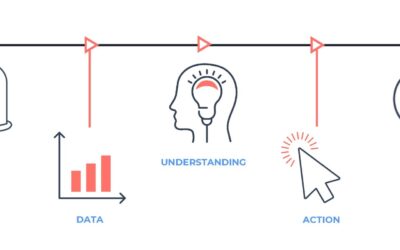
People using CGMs can generate huge amounts of glucose data, yet many still don’t know how to interpret it or what action to take. The data can highlight patterns and opportunities for change, but without context, education and ongoing support, those insights are not always translated into action.
Education shouldn’t stop once the sensor is applied
One thing I’ve noticed is that we often focus heavily on getting someone started.
We teach them how to insert the sensor, how to connect the app and how to scan or view their readings. That’s all essential.
But the real learning often starts weeks later. Its only once people have lived with CGM for a while that they begin asking questions.
“Why does my glucose rise after this meal?”
“Why did I wake up high?”
“What happens if I walk after dinner?”
That’s when education can make the biggest difference. Helping people interpret their glucose data, recognise patterns and make informed decisions is where we can really improve outcomes.
Support is becoming just as important as the sensor
Another theme I hear repeatedly is that healthcare professionals are under increasing pressure. They’re managing growing numbers of people using CGM while balancing clinics, reviews and day-to-day patient care.
What they need is help turning that data into meaningful action. Whether that’s structured onboarding, education or helping patients build confidence in using their sensor, this can make a genuine difference.
We also need to rethink how we measure success
Historically, we’ve compared CGMs by looking at technical performance. Accuracy reliability and features matter of course. But they’re no longer the whole story.
Increasingly, I think we should also be asking:
- Are more people achieving their Time in Range targets?
- Are patients more confident managing their diabetes?
- Are clinicians spending less time troubleshooting and more time supporting care?
- Are we reducing unnecessary appointments?
- Are people staying engaged with their diabetes for longer?
Those are the outcomes that can matter to people living with diabetes and healthcare teams.
The future of CGM
The future of CGM is not only about better sensors. It’s about better education, better support and giving people the confidence to turn data into action.
We’ve made huge progress in making glucose data accessible. The next challenge is ensuring people have the knowledge and support they need to understand that data and use it to make informed decisions about their diabetes.
For healthcare professionals, that means having the time, resources and tools to support patients beyond sensor initiation. For people living with diabetes, it means building the confidence to recognise patterns, make changes and get the greatest benefit from the technology they use every day.
Because ultimately, sensors are only part of the answer. We’ve become very good at generating glucose data. Now we need to become equally good at helping people use it.
Donna Sutton, Lead Community Diabetes Specialist Nurse at Newcastle upon Tyne Hospitals NHS Foundation Trust and Clinical Lead at Spirit Health.